
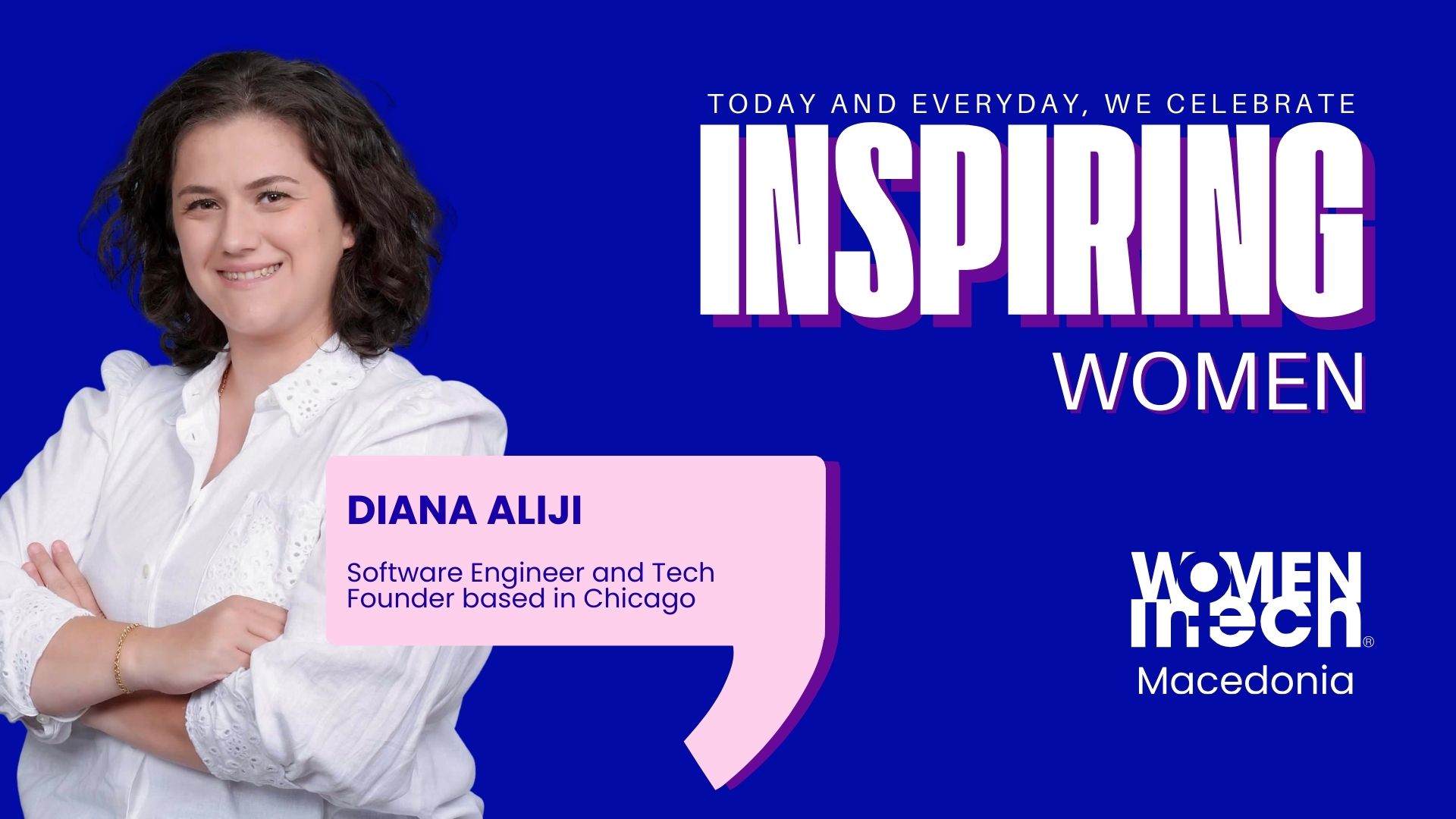
100 Interviews. One Month. One Global Mission.
This March, Women in Tech Macedonia launches 100 Interviews, a global storytelling initiative dedicated to amplifying the voices of women shaping technology across industries and borders.
Standing at the intersection of backend engineering and entrepreneurial innovation is Diana Aliji, a Software Engineer and Tech Founder based in Chicago. As the founder of Codaxity and the visionary behind the Mama’s Feelings Tracker app, Diana specializes in building scalable architectures that address deeply personal human needs. Her work is a testament to the fact that technology is most powerful when it is used as a tool for independence and social impact.
The Creator’s Compass
The spark that lit my career wasn’t a textbook, but the moment I saw my first lines of code transform into a live application that someone could actually use. It shifted my perspective from solving technical puzzles to realizing I could build tools that directly alter human experiences. That certainty deepened when I launched my own mobile app from scratch while navigating the complexities of motherhood. For me, tech isn’t just a professional path, it is a vehicle for creation and autonomy. I’ve moved away from traditional metrics like titles or salary. Now, I define success by impact: whether my work improves a mother’s emotional well-being or opens global doors for engineers from North Macedonia. If my work inspires even one woman to believe she belongs in this room, I’ve succeeded.
I’ve learned that the only way to silence the loud voice of imposter syndrome is through the quiet persistence of action. When I was building my app, there were nights I felt completely unqualified, staring at a screen of bugs and features yet to be born. I didn’t wait for a surge of confidence, I just broke everything down into one decision at a time. I’ve come to realize that if a project doesn’t scare you, it’s probably too small for your potential. To sustain this drive, I protect my time with my daughter as a sacred, non-negotiable boundary. In a world of infinite deadlines, childhood doesn’t pause. Protecting that connection doesn’t distract me from my ambition, it fuels it. Success means nothing if it requires sacrificing the people who give it meaning.

Looking toward the next five years, I am betting on AI-powered product ecosystems where intelligent systems are woven into the fabric of health, education, and productivity. The future won’t be won by tools alone, but by builders who combine strong architecture with ethical responsibility and human insight. To keep my competitive edge, I treat learning as a daily discipline, using time-blocking for 90-minute deep work sessions and reading at least ten pages of a book like James Clear’s Atomic Habits every day. When the laptop is closed, I am usually planning my next big idea on paper or recharging through a workout. I don’t wait until I feel “ready” to start, I start messy, I start scared, and I let the work teach me the rest.

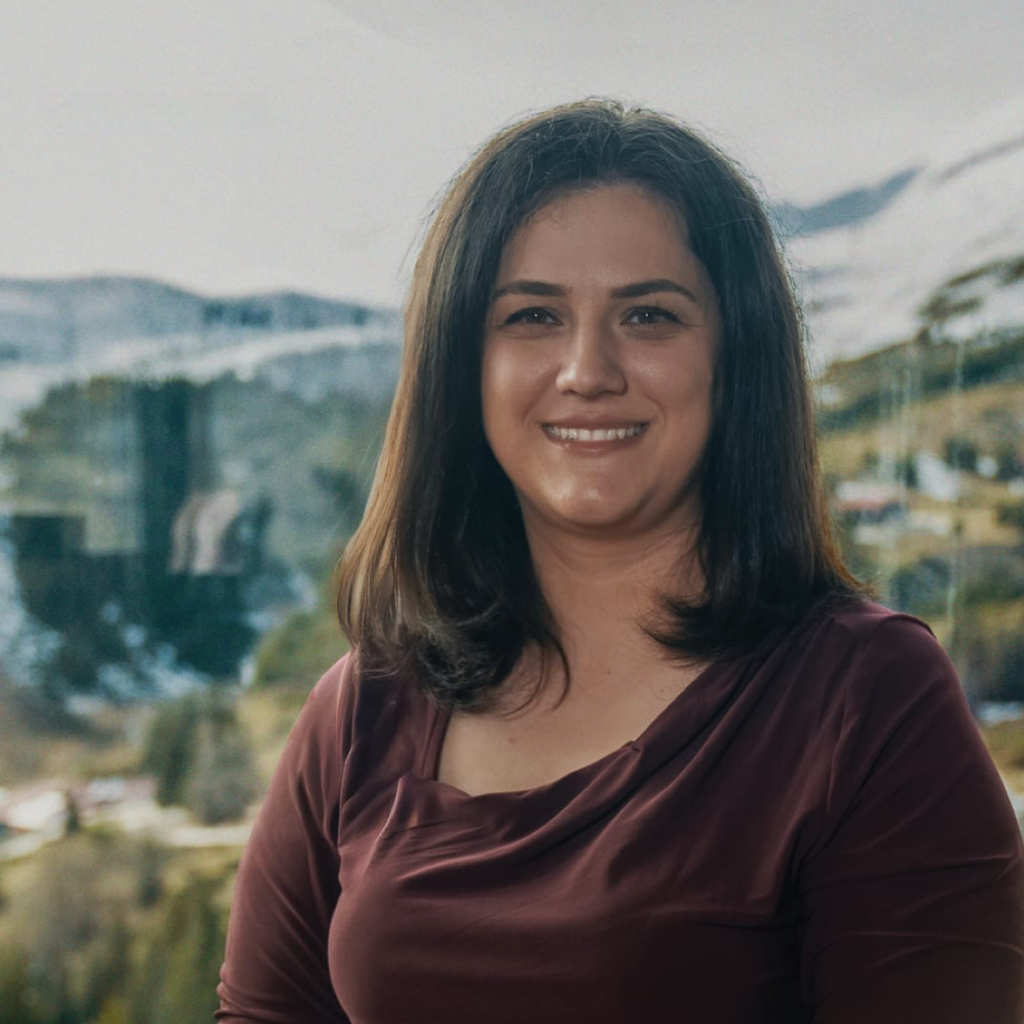
My internal rhythm is defined by 60–90 minute deep work blocks where notifications are dead and focus is absolute; I’ve found that small, consistent sessions always outperform long, chaotic hours. My digital life is anchored by my Kindle, a tool I view as a long-term strategic asset for compounding knowledge. Philosophically, I believe that success is never found in dramatic, one-off moments, but in the small, consistent actions we take every morning. When I am offline, I am either planning my next architecture on paper or focusing entirely on my daughter, ensuring my roots remain as strong as my global ambitions.
To the girls in Macedonia, and everywhere else, I want you to know this:
You do not have to leave your roots to build something global. You can build from here. You can lead from here. Do not shrink your ambition to fit someone else’s expectations. The tech world needs your ideas, your discipline, and your resilience. You belong in tech—not someday, but now.