
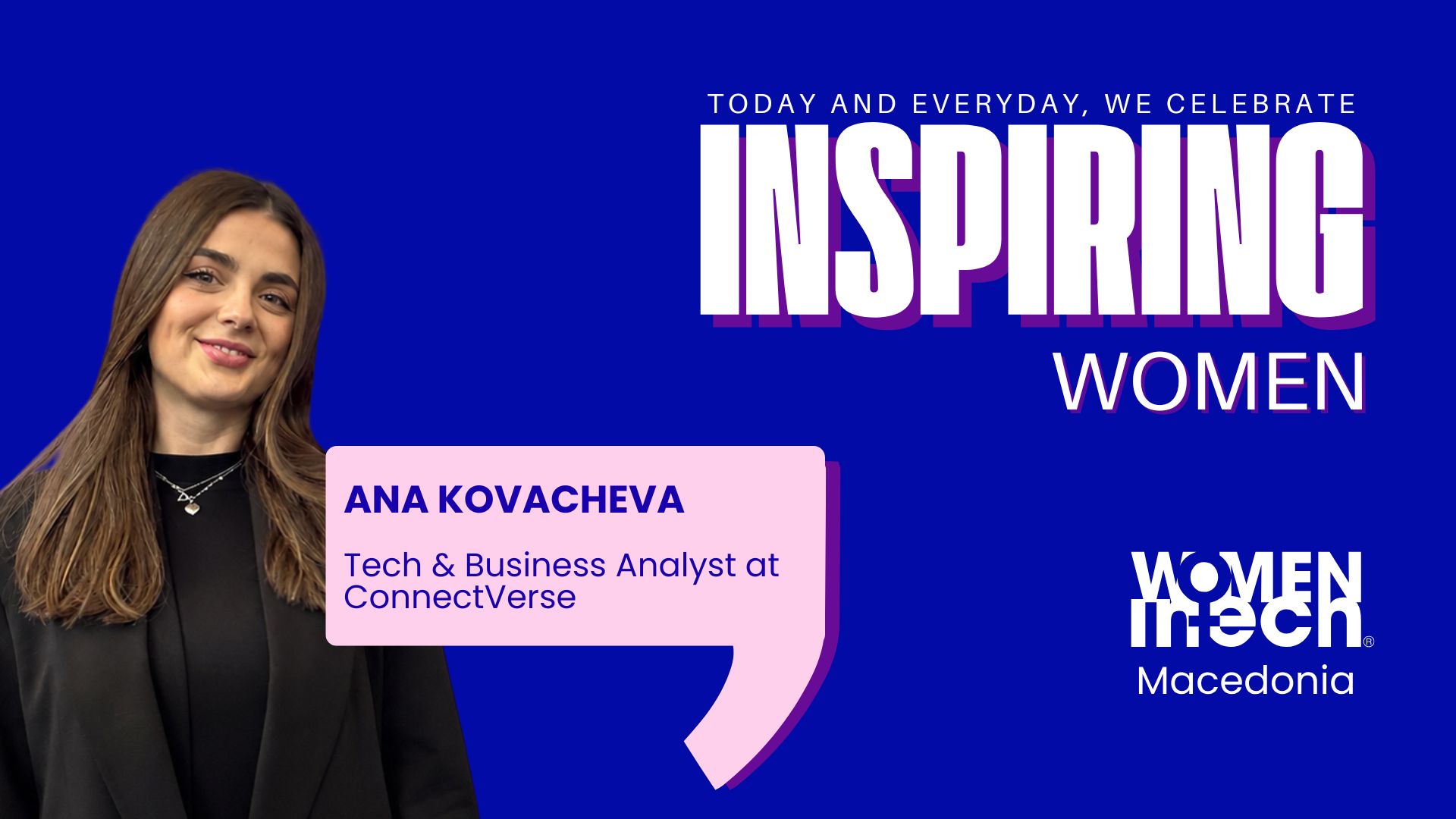
100 Interviews. One Month. One Global Mission.
This March, Women in Tech Macedonia launches 100 Interviews, a global storytelling initiative dedicated to amplifying the voices of women shaping technology across industries and borders.
We continue this campaign with Ana Kovacheva, Tech & Business Analyst at ConnectVerse. Born, raised and based in Skopje, North Macedonia, Ana has over 3 years of experience across software engineering, consulting, fintech and product ownership.
I Didn't Fall Into Tech. I Chose It.
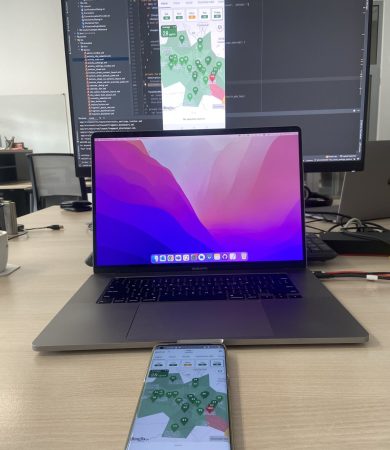
My defining moment didn’t happen at a computer. It happened when I looked up from one. I was interning in the mobile development department, working on an Android app that turned environmental sensor data into something anyone could understand and use. Real work, with real impact on real people.
But what stayed with me wasn’t the code. It was the room. The people around me were genuinely happy. Not performing happiness, actually energized by what they were building, proud of it, connected to each other. They were successful and it showed, but it didn’t feel heavy or corporate. It felt alive.
I remember thinking: this is a lifestyle, not just a job. And I want it. That was the moment I stopped wondering whether tech was for me and started figuring out how to make it mine.
The biggest wake-up call of my early career wasn’t failure. It was watching people collect good salaries while staying exactly the same. A few years in, still doing the same things, thinking the same way. The money was there. The growth wasn’t.
That scared me more than any mistake I’ve ever made. Because you can recover from a bad decision. You can’t easily recover from years of standing still. So I made a rule for myself: look back every few months and make sure you’ve moved. Not in title or salary, in capability, in thinking, in what you can own and decide. Salary is the outcome of that. Never the goal.

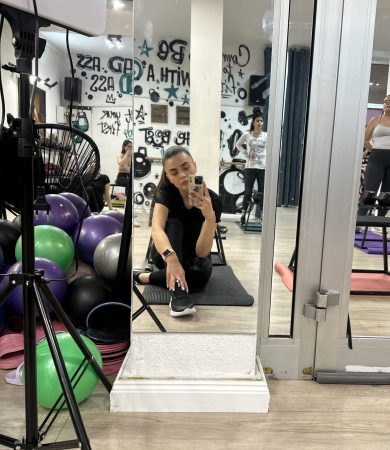
My non-negotiable is me-time. Whether it’s working out or simply slowing down, I protect that space fiercely. When I feel burnout approaching, I stop – no guilt. Prioritizing my well-being keeps me grounded, focused and able to show up fully in every part of my life.
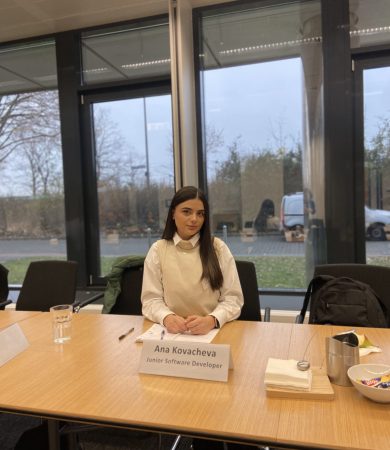
I’ve learned that imposter syndrome usually shows up exactly when I’m growing the most, facing tasks that are new or carry more responsibility than I’ve handled before. One of the clearest examples was when my team lead went on vacation and I was still a junior developer. For two weeks, I became the first point of contact for everything. I was pulled into meetings I’d never attended before, representing our whole team and clients expected me to troubleshoot issues and make decisions on the spot. It was overwhelming at first, but the adrenaline pushed me into action.
My pattern is pretty consistent: five minutes of panic, and then I just start. Once I’m in motion, I trust myself to figure things out piece by piece.
One mindset shift that helps is remembering that the people above me aren’t superhuman, they just had the courage to jump before feeling fully ready.
If I could leave one message, it would be this: sometimes there isn’t a “right” decision. Pick one and make it right.


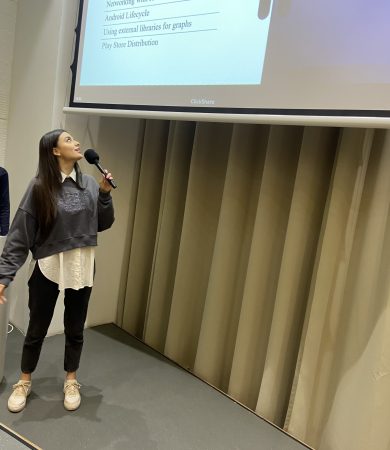
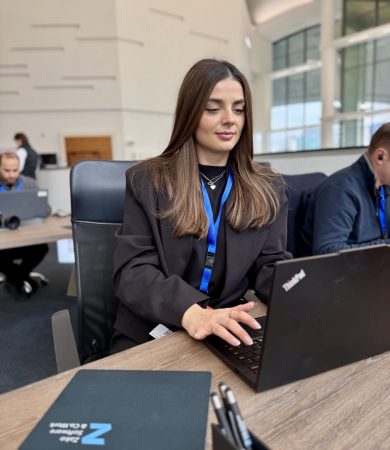

Looking ahead, I believe the biggest disruption in the next 5 years will be hyper-personalized customer journeys. Not the generic automation we see today, but real-time, AI-driven experiences that adapt instantly to a user’s behavior, preferences and intent. In lead generation and fintech, the difference between a journey that feels tailored and one that feels mass-produced is huge. Companies that master this early will win. Achieving it requires both technical expertise and emotional intelligence, understanding not just the data, but how people feel when interacting with a product. That combination is where I’m placing my bet for the future.
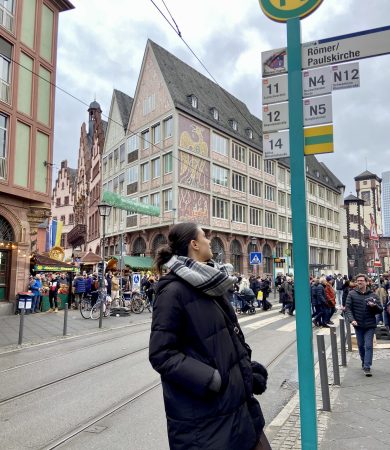
My favorite productivity hack is booking a trip. Nothing focuses me faster than knowing there’s a flight at the end of it. The apps I can’t live without? All the airline apps. They’re not just tools, they’re motivation.
Two books I always recommend are The Psychology of Money and Atomic Habits. The Psychology of Money confirmed many of my own thoughts about why each of us treats money differently and how our experiences shape the way we spend, save or take risks. Atomic Habits taught me how to reprogram my behavior through small, consistent actions and how we unintentionally train our brains every day through the habits we choose.
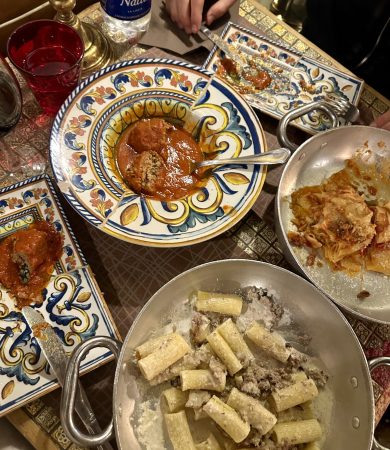
When I’m not online, I’m eating my way through life, trying new foods, grabbing coffee with friends and taking Tobi, my tiny Yorkie shadow, everywhere with me. If I’m not home, I’m probably out tasting something delicious.
To the girls in Macedonia, and everywhere else, I want you to know this:
A lot of people are afraid to start, thinking about what would happen if they don’t succeed. What they forget is that there is almost always a reverse.
Almost nothing in tech is permanent. You can undo it, rebuild it, start over.
The only thing you can’t undo is not trying.
So open the file. Write the code. Ask why.
You belong here exactly as you are.